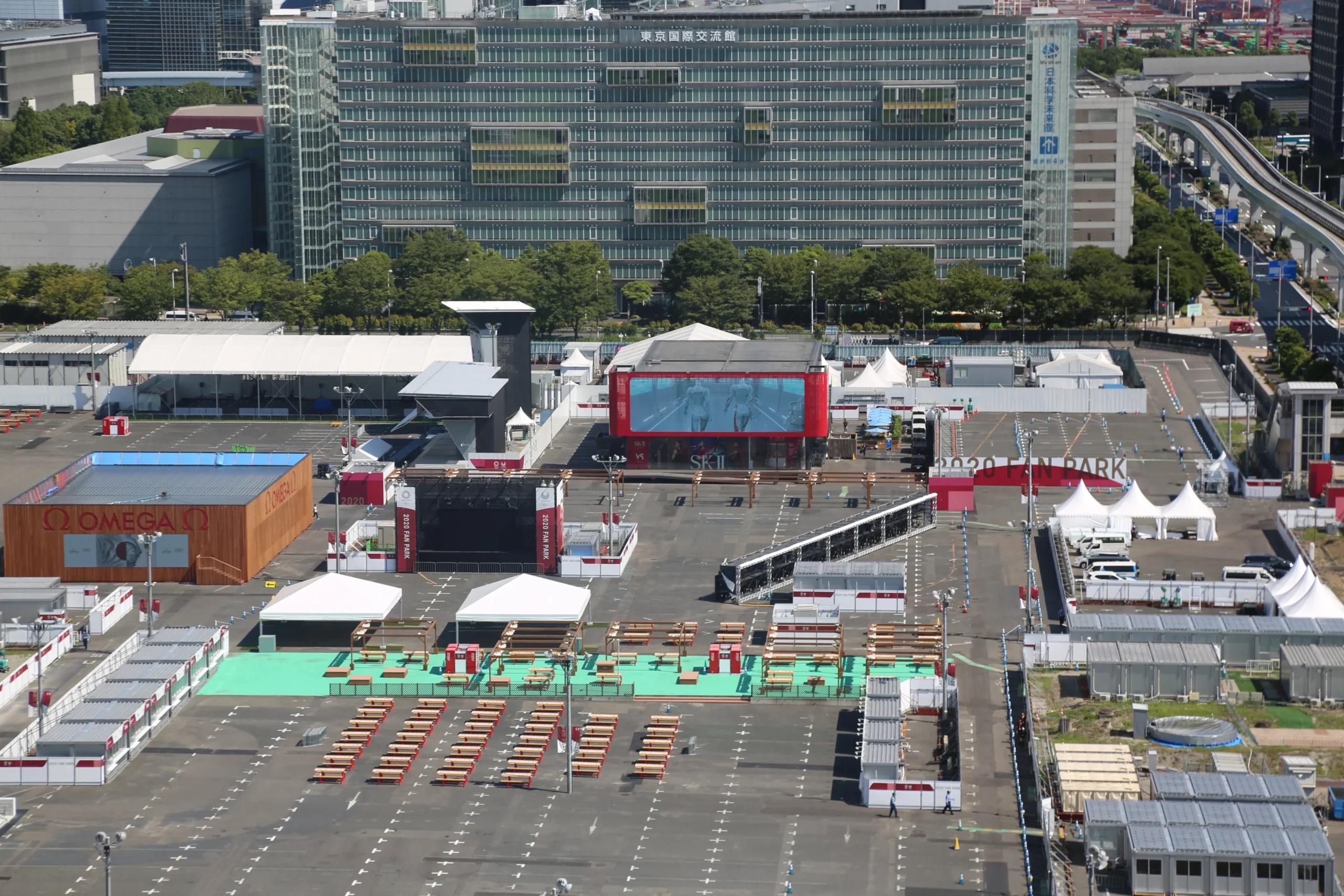
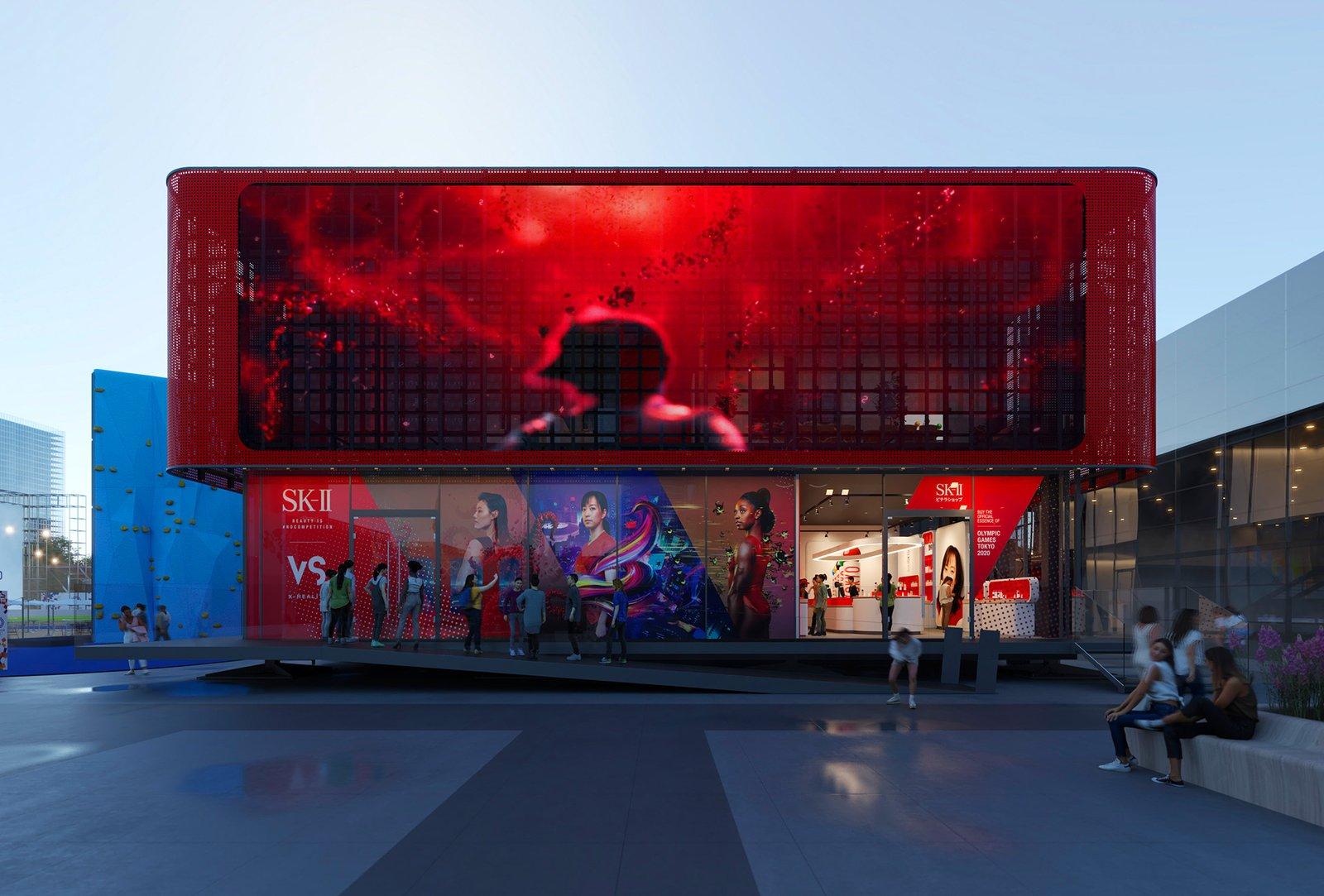
The SK-II Tokyo 2020 Olympics Showpavilion was an ambitious, immersive activation rooted in the brand's #nocompetition campaign - a call to reimagine beauty standards and empower women through storytelling.
This was a US$15M mixed-reality installation built for one of the most visible stages in the world. Visitors wore Microsoft HoloLens 2 headsets and stepped into SK-II Studio's animated films - not as viewers but as participants, confronting the forces the films depicted: online hate, superficial judgment, self-doubt. The technology was the medium. The message was the point.
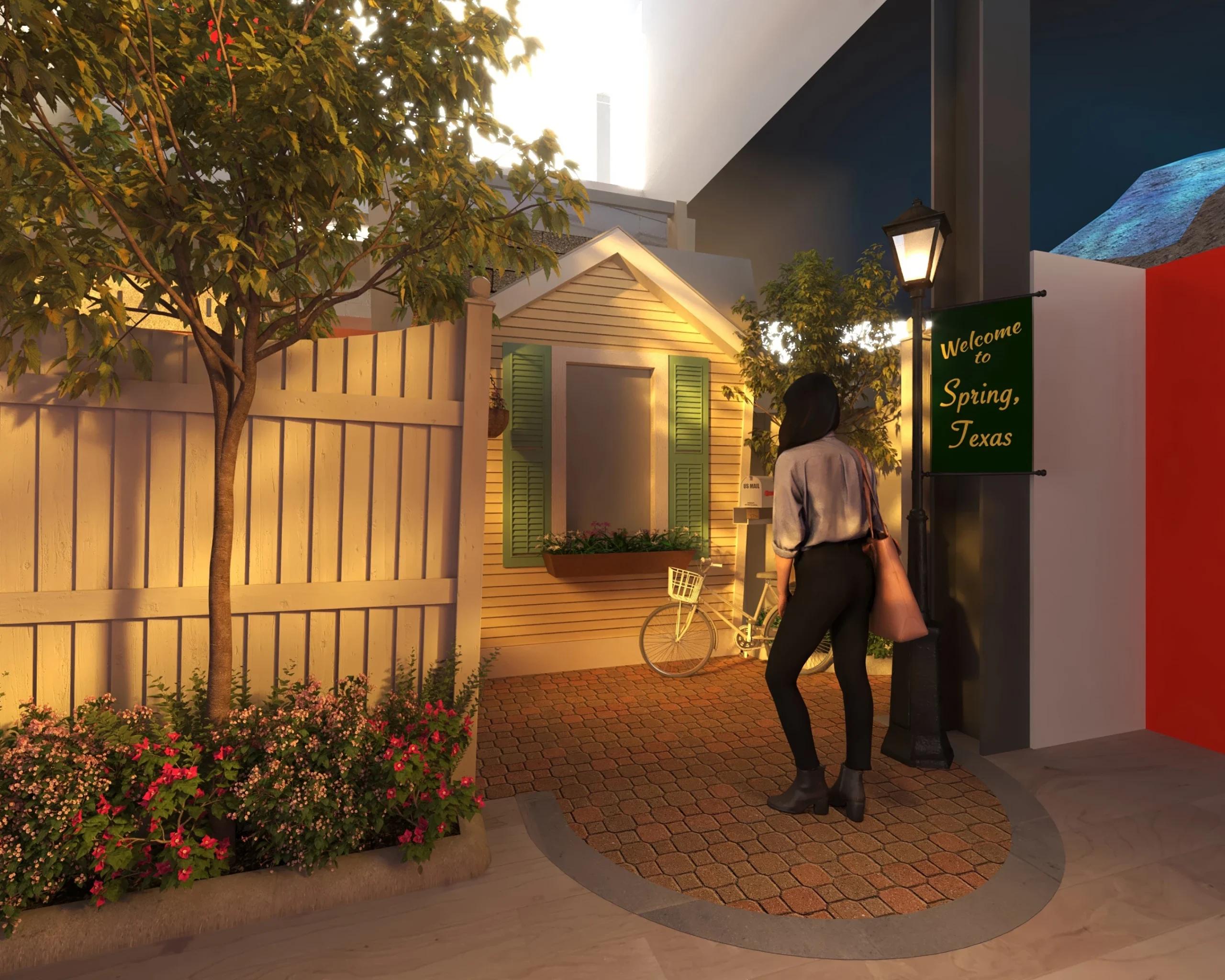
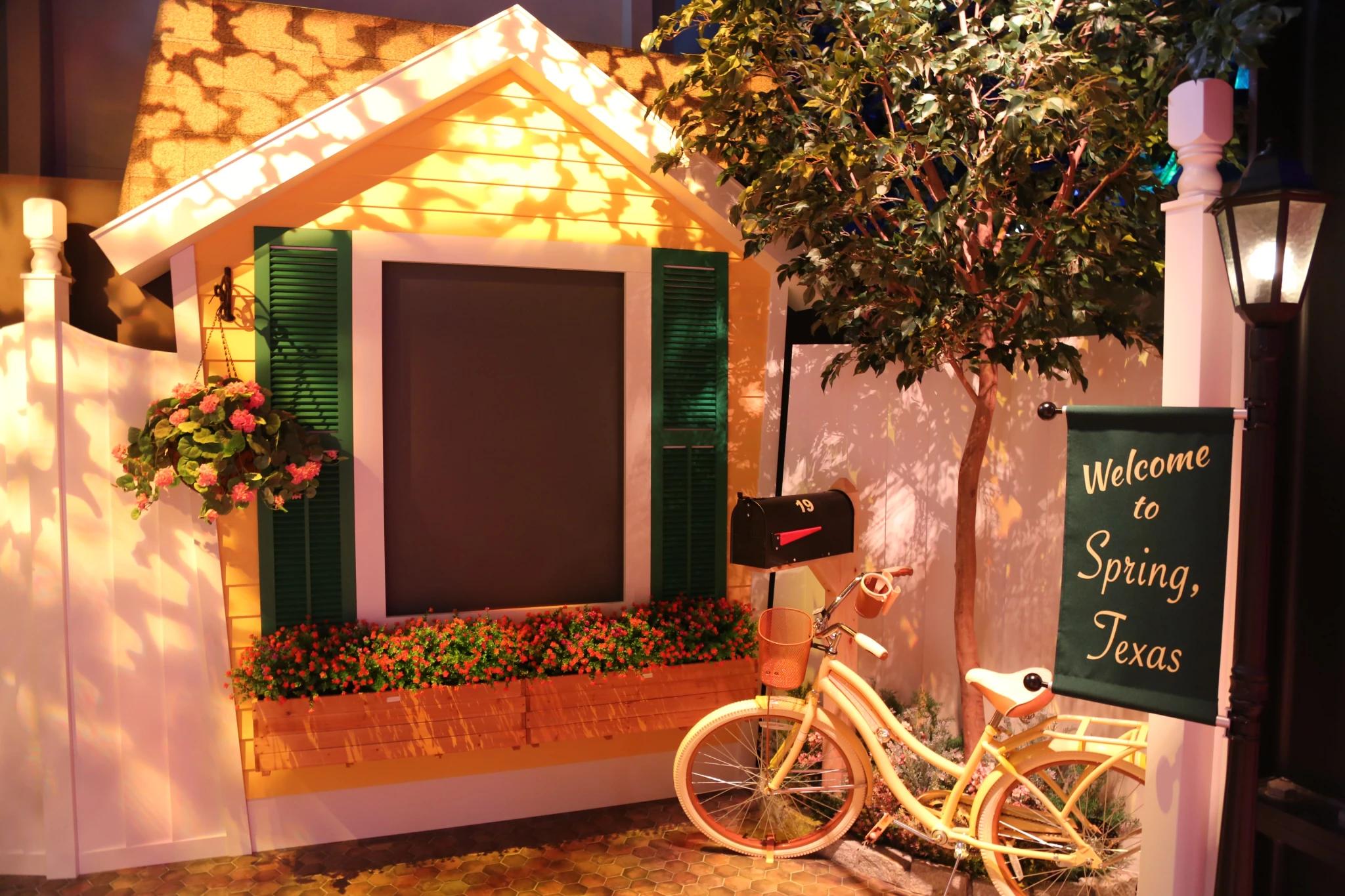
The pavilion was designed as a complete narrative journey. Visitors did not browse. They moved through a sequence of zones, each building on the last, each calibrated to shift the emotional register before the next chapter began.
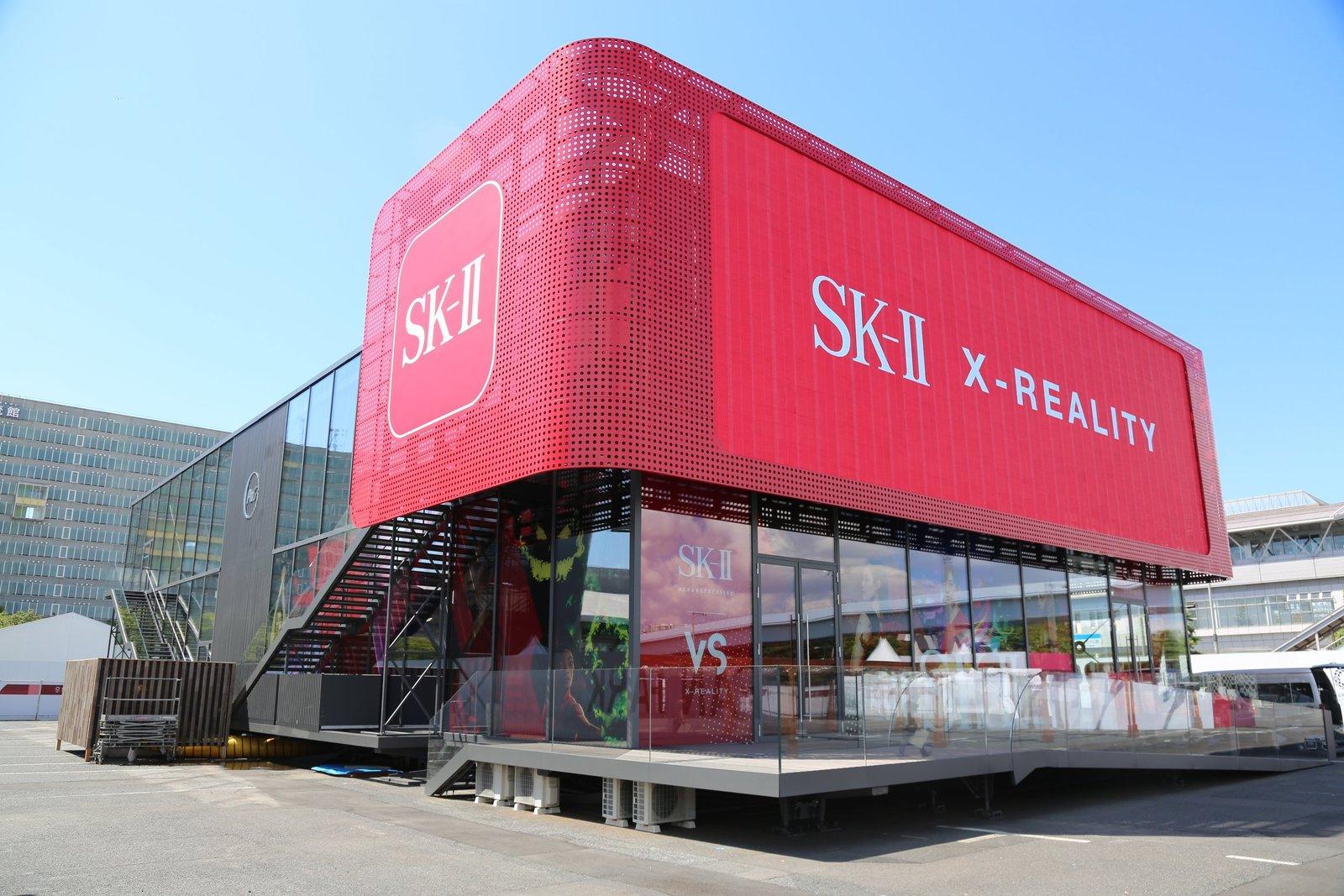
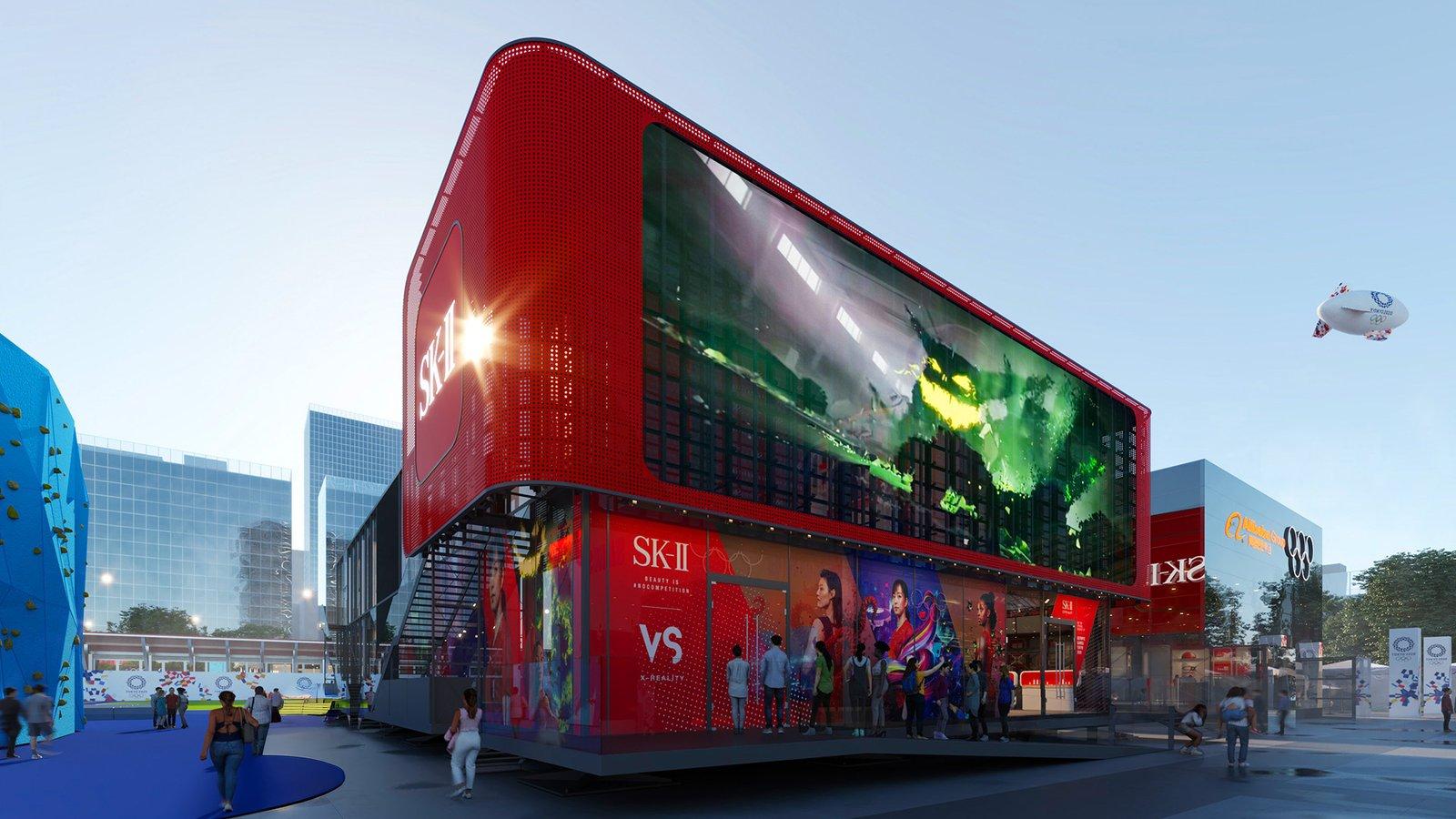
Exterior
Austrian firm Hochsitz built the modular frame system, designed for disassembly and global transport to major sporting events. A giant semi-transparent LED screen formed the front visor, playing dynamic content that served as a visual magnet - visible from the surrounding Olympic precinct, drawing visitors into the space before they knew what was inside.
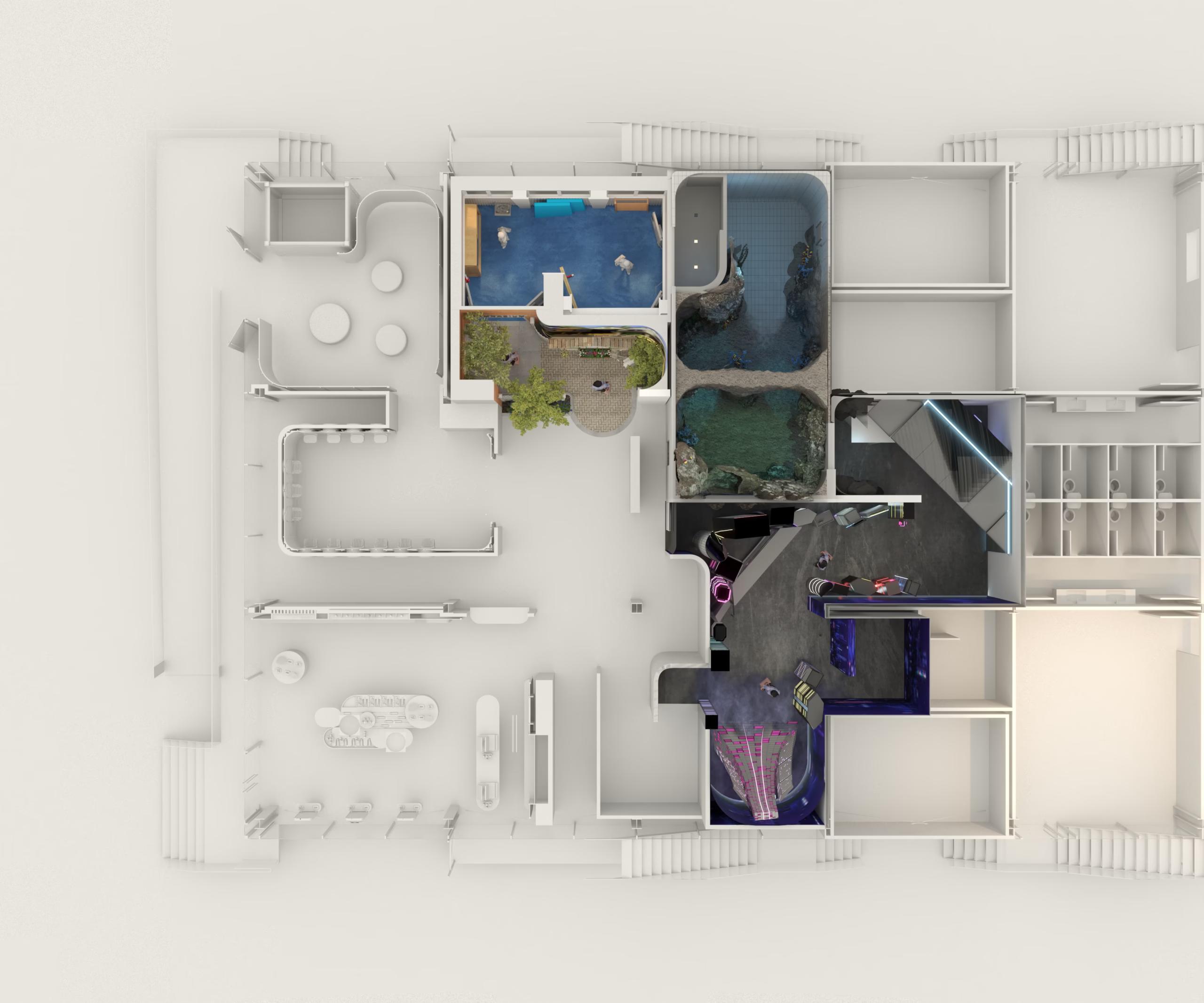
Onboarding
Visitors received a printed QR card passport and used a custom app to begin their journey. A briefing room played an immersive intro video that established the #NoCompetition narrative - setting the emotional stakes before any headset went on.
Each visitor then received a personalized facial skin scan. Their HoloLens headset was retrieved from a drawer - a deliberate design moment that made the technology feel personal, not mass-produced.
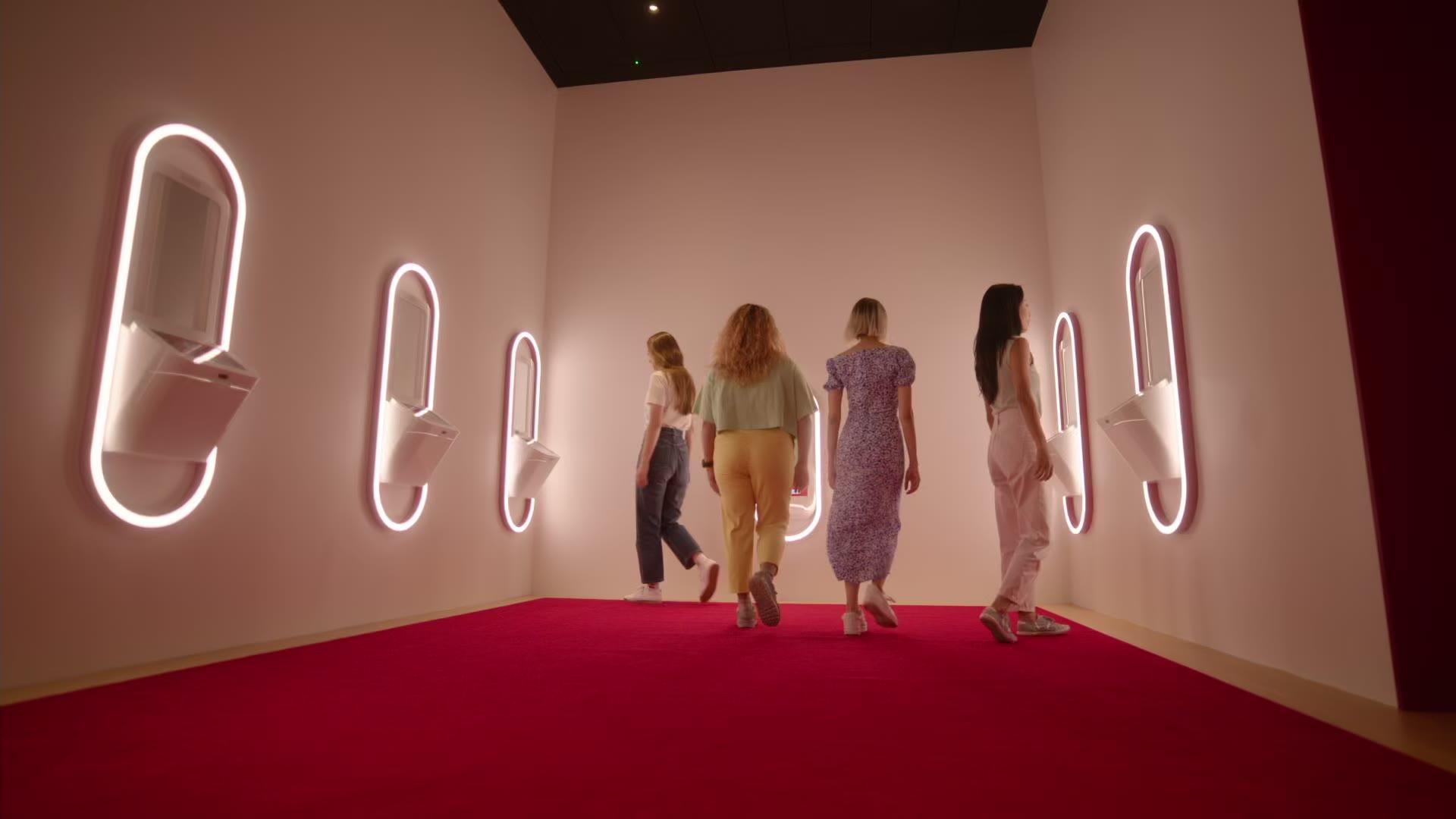
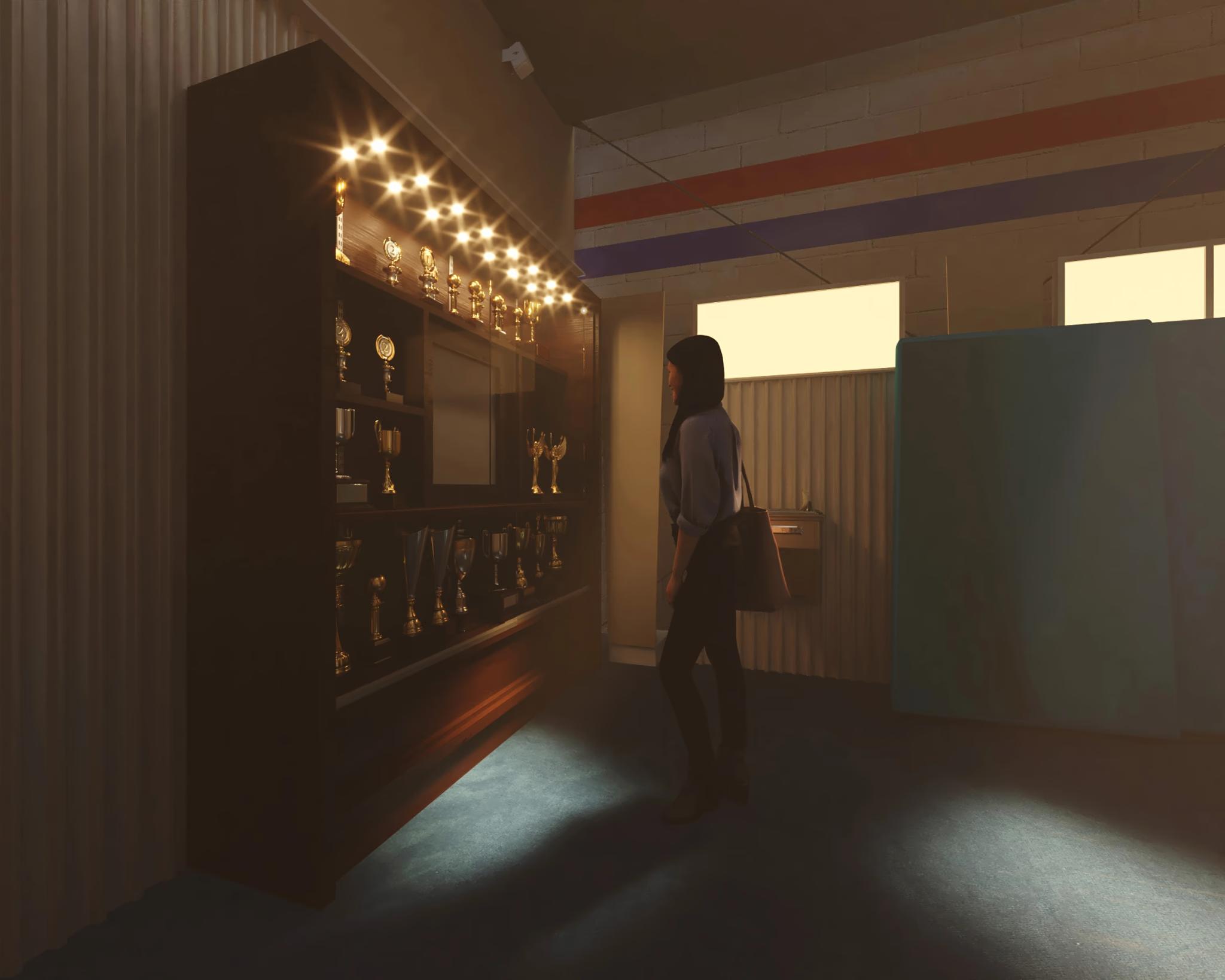
MR Chapter 1 - Simone Biles
The "VS." episode. Visitors entered Simone Biles' world and confronted the online trolls that target female athletes. The interaction was physical - swiping away digital trolls, battling a Kaiju that towered as a symbolic embodiment of online hate. This was not passive viewing. The visitor was inside the story, and the story demanded something of them.
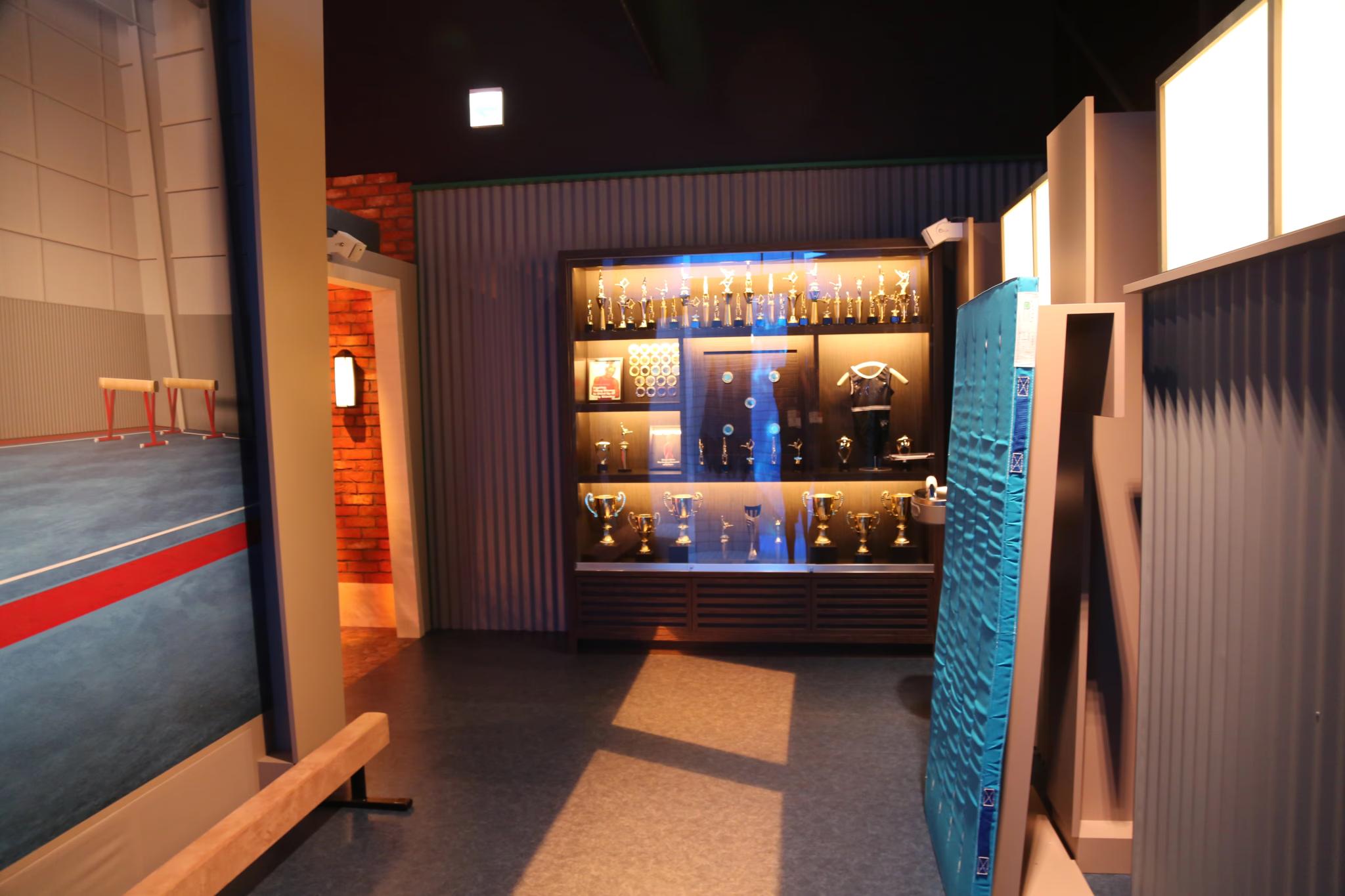
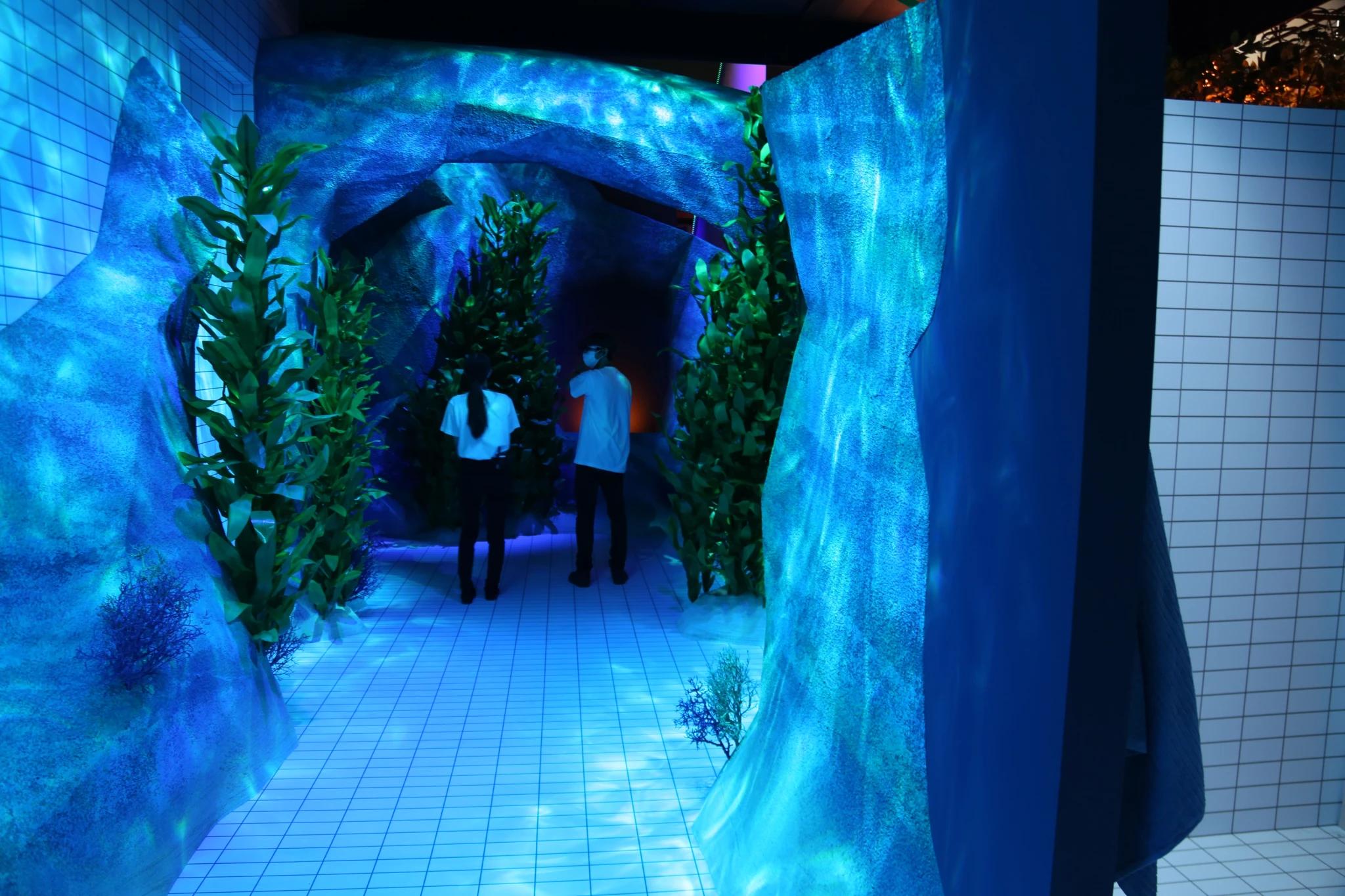
MR Chapter 2 - Liu Xiang
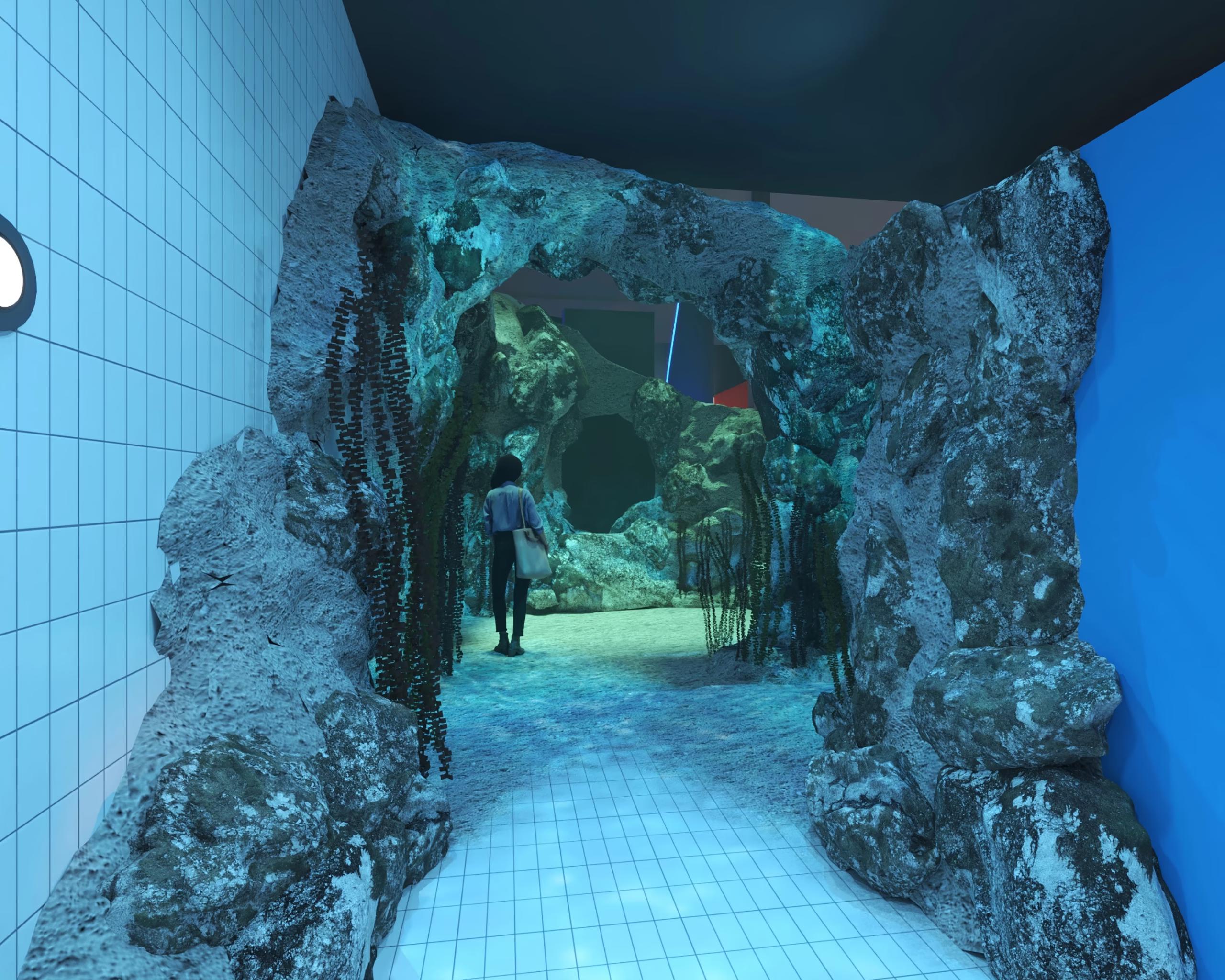
An underwater world. Swirling emojis surrounded visitors as they moved through the space, building to a confrontation with a tentacled sea monster - the physical form of superficial judgments. The shift in environment from Biles' gymnasium to this submerged world demonstrated the range the mixed-reality system could handle: different aesthetics, different emotional registers, all within the same headset experience.
MR Chapter 3 - Kasumi Ishikawa
A futuristic cityscape. At the summit of a skyscraper, visitors confronted a smoke-like monster - self-doubt made visible. The three chapters together formed a complete narrative arc: external hate, external judgment, internal doubt. Each required the visitor to act, not just watch.
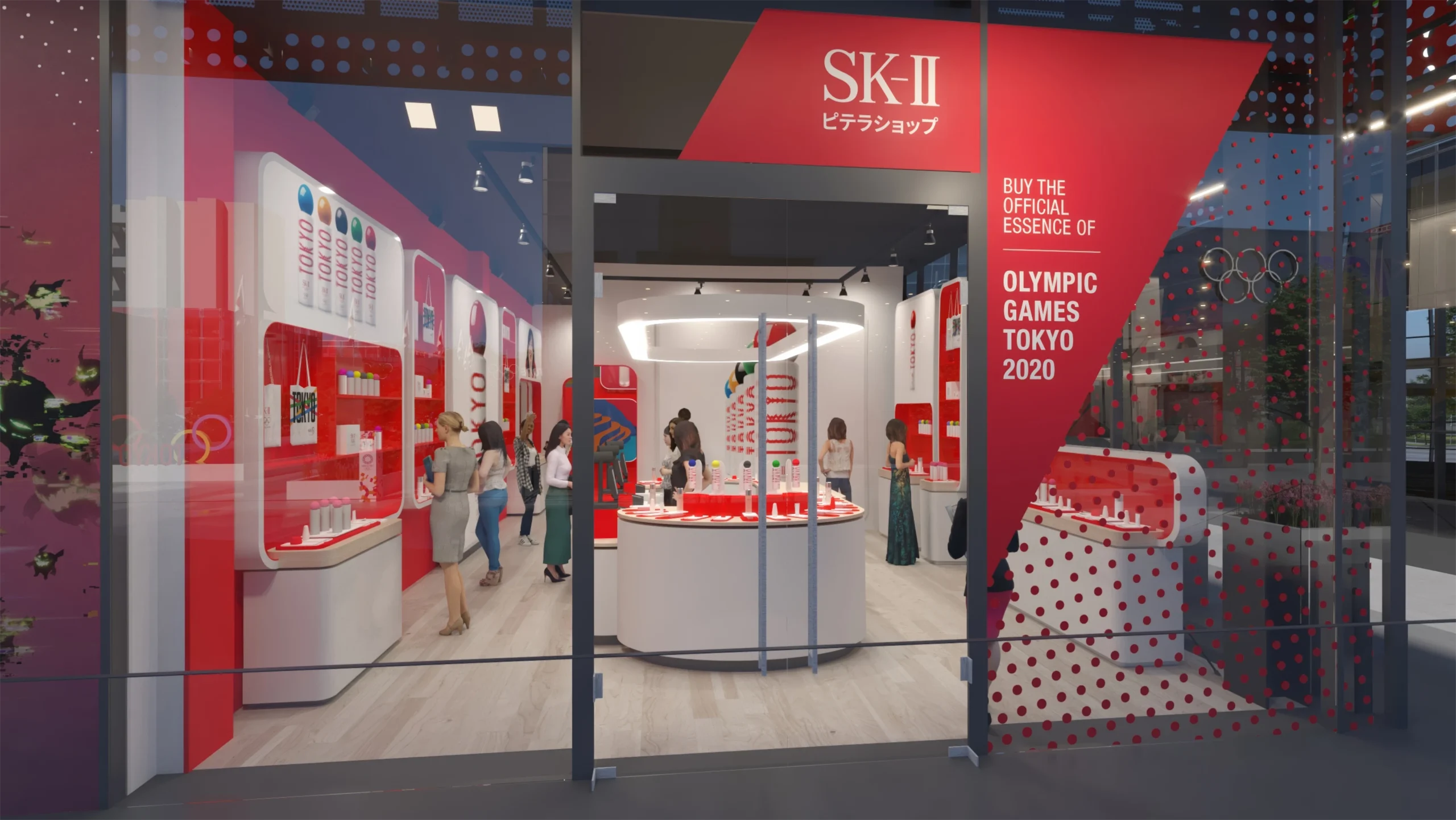
SK-II Retail Zone
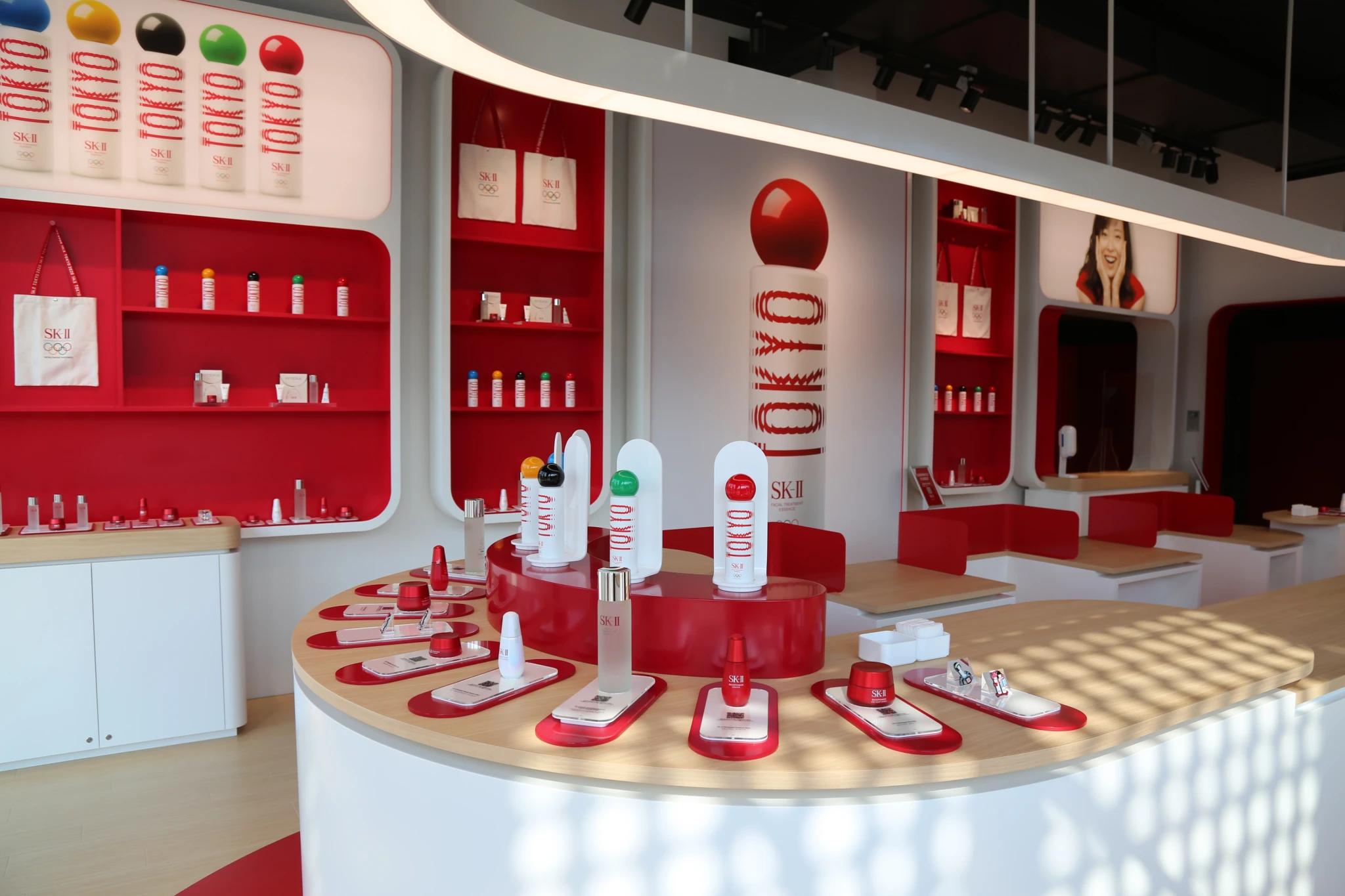
The journey concluded in a retail space where visitors could explore and purchase SK-II products. After the emotional intensity of the MR experience, the retail zone functioned as a decompression chamber - grounding visitors back in the physical world while the brand's message was still fresh.
Challenges and Delivery
The project was delayed one full year by COVID-19. I led coordination from Singapore across multiple time zones, managing a vendor ecosystem that included Dentsu Japan, Riedel, Microsoft, Acoustic Sense, DB Schenker, and others. Mid-project, I renegotiated vendor contracts to account for the delay - maintaining relationships while protecting margins.
The pavilion delivered on budget with positive margins. For a US$15M mixed-reality build that survived a global pandemic, a one-year delay, and cross-continental coordination, that result is not incidental. It is what happens when someone is holding the full system - creative, technical, production, and brand - from the point where the architecture is still open.
Role
Collaborators
Dentsu Japan, Riedel, Microsoft, Acoustic Sense, DB Schenker, KPPK, Krobath, Technical Supply Japan, CT APAC, Roof, Sublingual JP, Dave Sanderson
Technical Architecture
Mixed Reality Platform: Microsoft HoloLens 2
Modular Pavilion Structure: Hochsitz (Austria)
Semi-transparent LED Front Visor for dynamic exterior content
Custom onboarding app with QR card passport for personalized journey tracking
Facial skin scan technology integrated into HoloLens fitting zone
Gallery