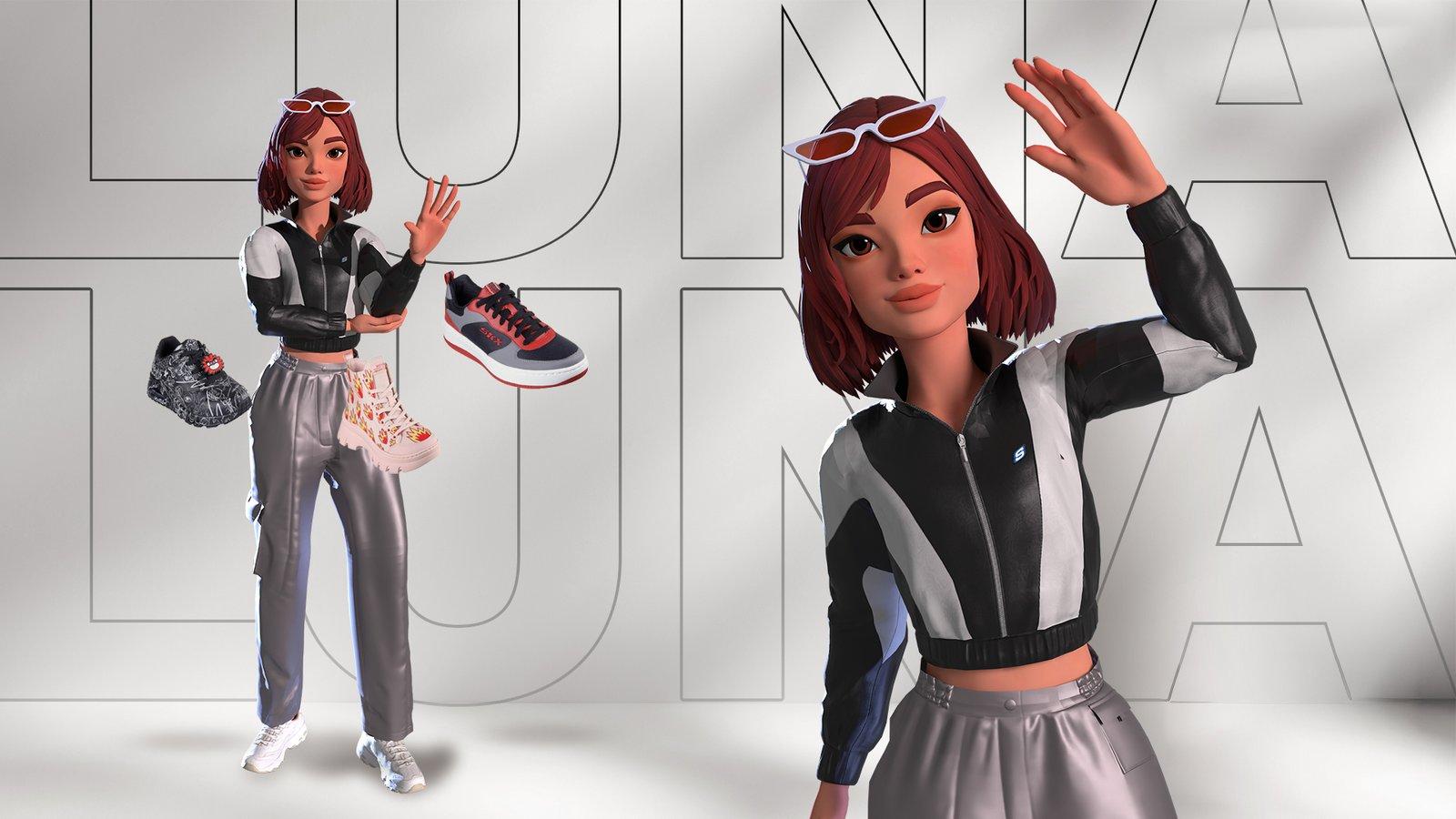
Project Luna is an Agentic-AI retail assistant product developed by We Are Social for Skechers at its new Punggol Coast Mall store in Singapore.
Luna began as a question: could an AI retail assistant do more than answer product queries - could it actually style a customer?
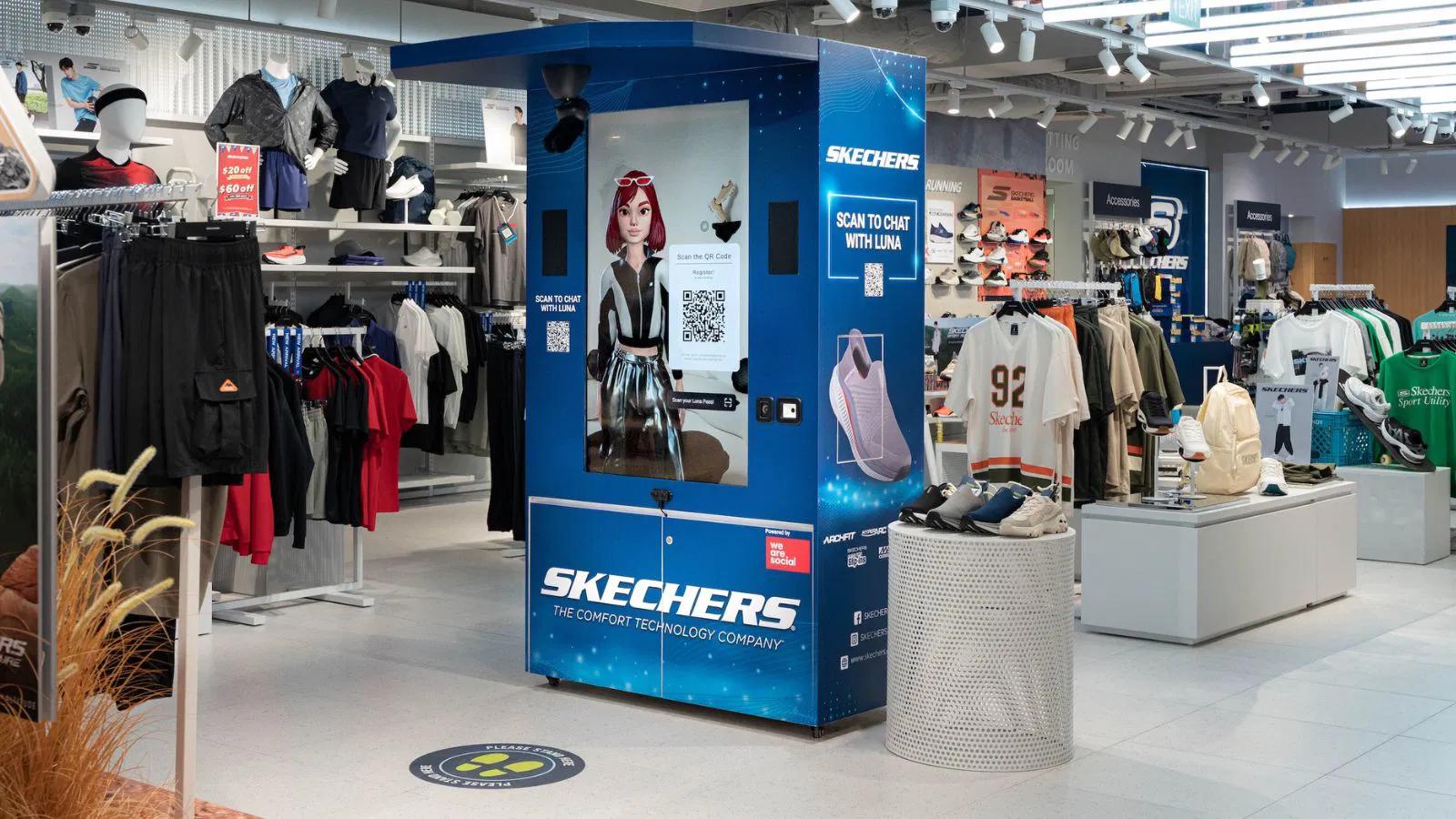
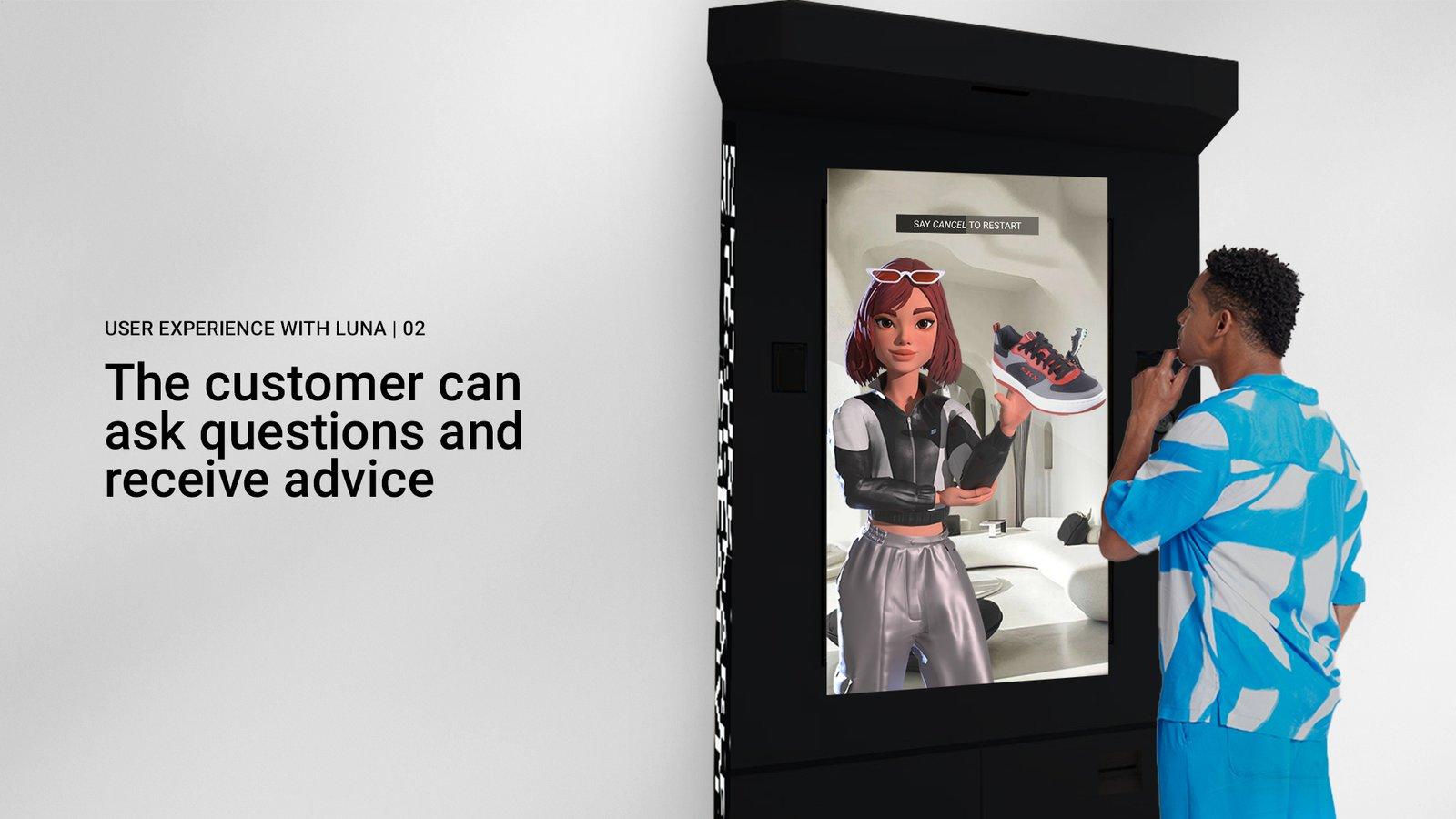
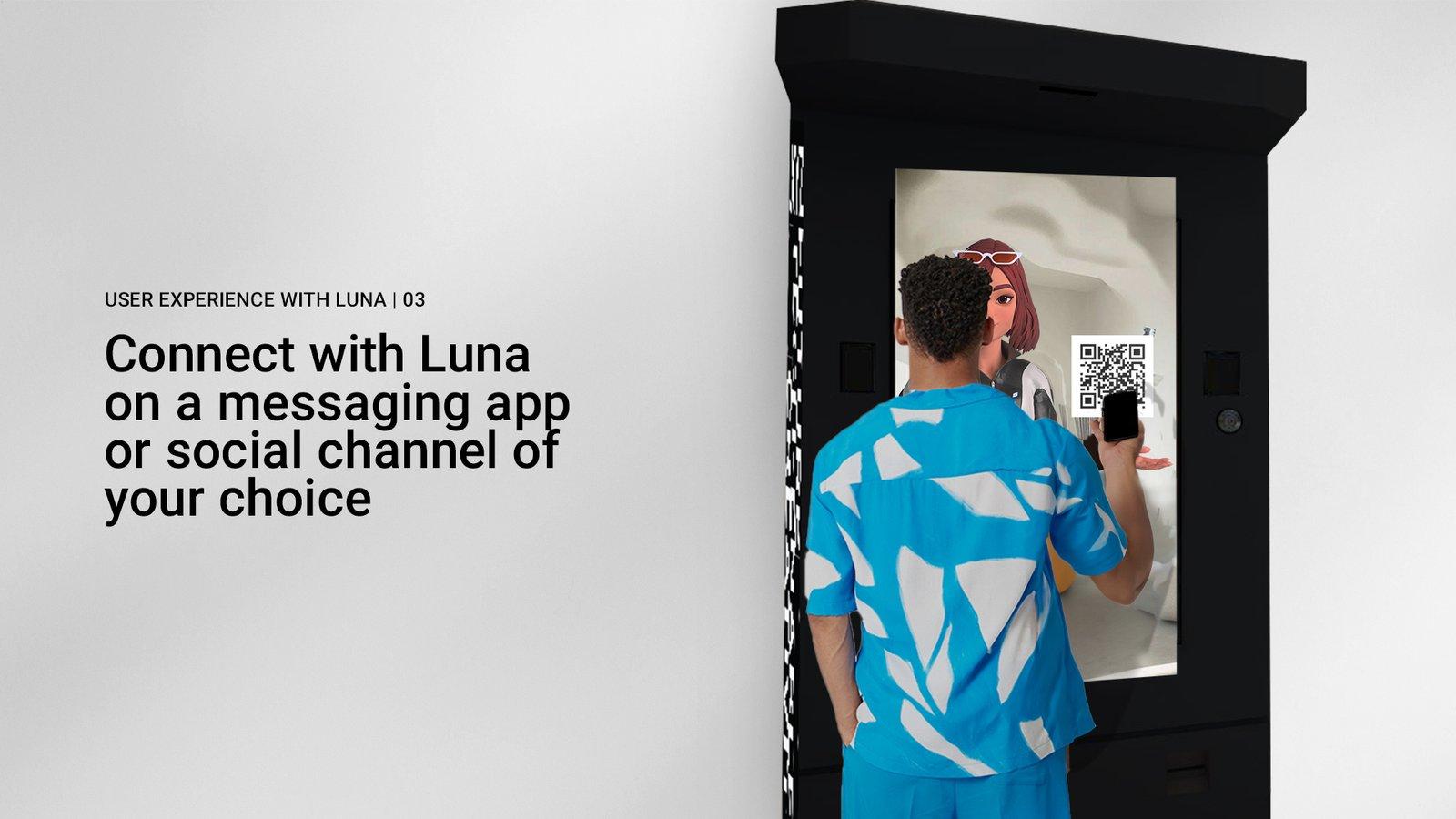
The brief from We Are Social was tight: build an agentic AI assistant for Skechers' new Punggol Coast Mall store in Singapore, capable of real-time styling advice, product recommendations, and natural conversation. Not a chatbot behind a screen. A presence in the store - one that could see what a customer was wearing, understand what they were looking for, and respond in a voice that felt human without pretending to be.
Technical Architecture
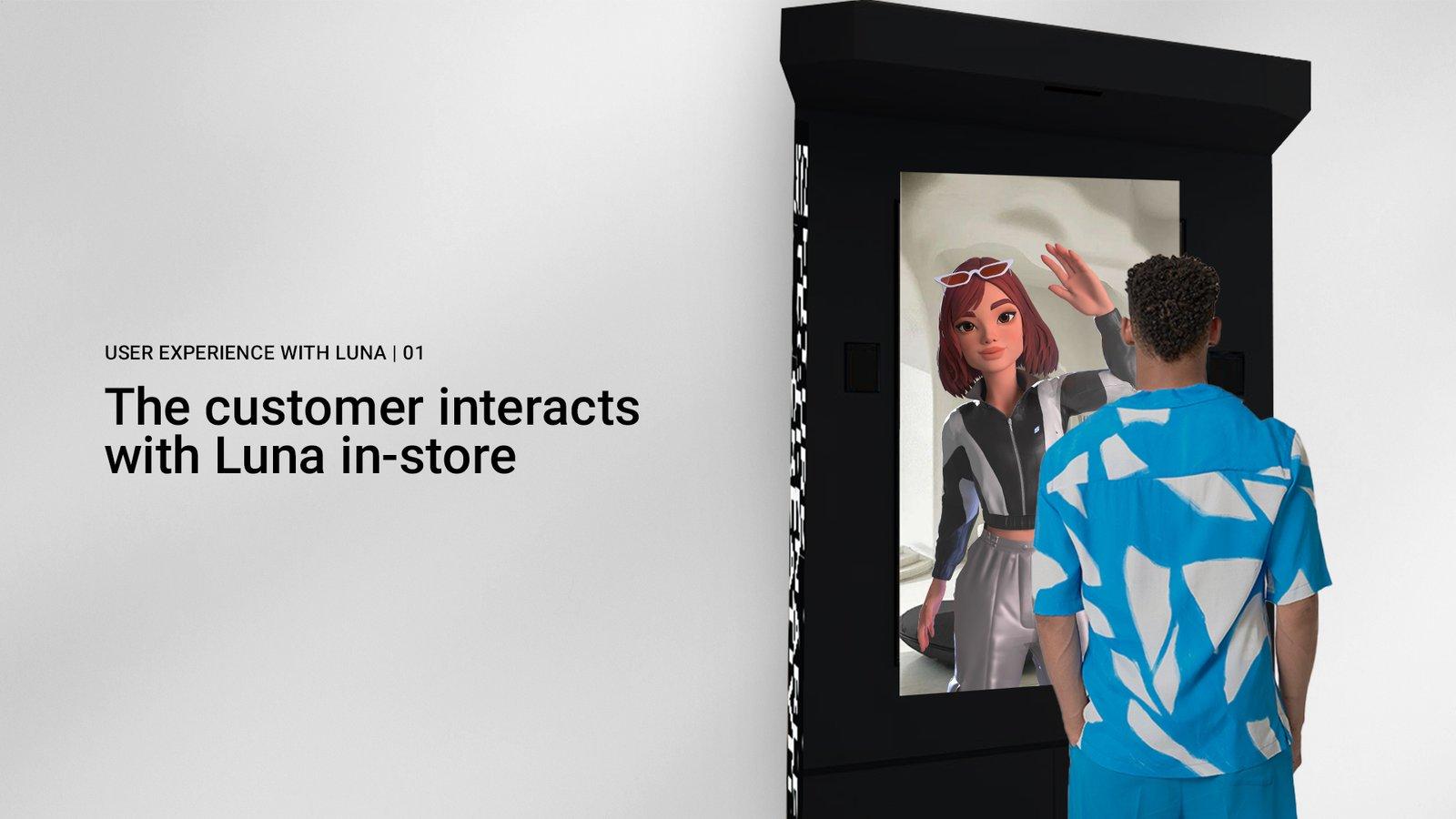
The stack was built for real-time, multimodal interaction. OpenAI's GPT-4o handled the conversational intelligence. LiveKit.IO managed audio-visual streaming. Deepgram converted speech to text; ElevenLabs generated synthetic voice responses. The in-store kiosk integrated a camera, barcode scanner, microphone, speakers, and high-resolution display - all running together so a customer could walk up, hold up a shoe, and get a styling recommendation without touching a screen.
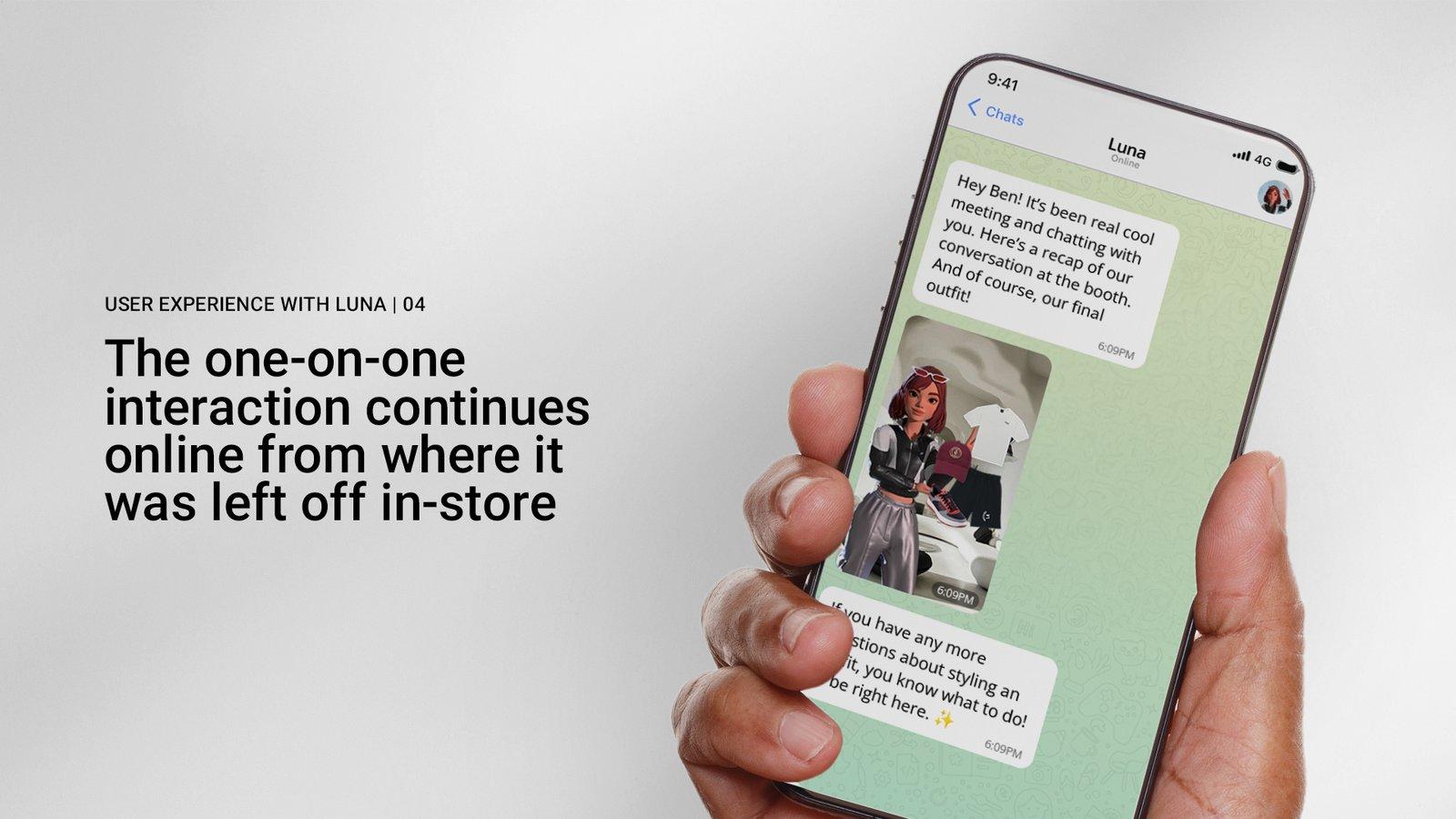
The Telegram integration extended the experience beyond the store. Customers could continue the conversation after leaving, receive follow-up recommendations, and re-engage on their own terms. This wasn't an afterthought - it was built into the product architecture from the start, because a retail AI that only lives inside the store misses the point.
Building It
The team was small and cross-disciplinary: seven people across engineering, design, and project management. The budget was US$350K. We moved through vendor selection, cost modelling, roadmapping, and QA on a compressed timeline, with the constraint that version 1.0 had to work in live retail conditions - real customers, real noise, real edge cases.
The proof-of-concept had to prove the concept. There was no second phase to fix what the first phase missed. Every technical decision - which voice model, which streaming protocol, how fast the barcode scanner needed to respond - was evaluated against that standard.
Luna launched and generated press coverage across FashionUnited, Campaign Brief Asia, Marketing Interactive, and others. More importantly, it worked in the field. Customers used it. The agentic stack held. The voice felt right.
For a US$350K build with a small team, that is the outcome: a version 1.0 that operates as a complete product, not a demo waiting for funding.
Role
Collaborators
Manolis Perrakis, Elbert Nathanael, Sheena Lee, Hendro Wibowo, Affandy Fahrizain, Junaedi Fahmi, Trisya Krisnarizkiani
Technical Architecture
Core AI: OpenAI GPT-4o
Audio-Visual Streaming: LiveKit.IO
Speech-to-Text: Deepgram
Synthetic Voice: ElevenLabs
Hardware: sensors, barcode scanner, camera, microphone, speakers, high-res display
Gallery
Media
Press
- Skechers AI Shop Assistant Is Friendly, Chatty and Watching What You Wear — FashionUnited (opens in new tab)
- Skechers Unveils AI-Powered Retail Assistant Luna at Punggol Coast Mall via We Are Social — Campaign Brief Asia (opens in new tab)
- Skechers AI Luna Shopping — Just Style (opens in new tab)
- Skechers Launches AI Stylist Luna to Reinvent Shopping — Marketing Interactive (opens in new tab)
- Skechers Launches AI-Powered Retail Assistant in New SG Store via We Are Social — Marketech APAC (opens in new tab)
- Skechers Unveils AI Retail Assistant Luna in Singapore — NewsFlash Asia (opens in new tab)